
The Role of Environment in Gambling
The environment within a casino plays a crucial role in shaping visitors’ experiences and influencing their behaviors. The combination of lighting, color schemes, and sound design creates a unique atmosphere that can either enhance excitement or induce relaxation. For example, bright lights and vibrant colors often stimulate enthusiasm, encouraging players to engage with the gaming machines. In contrast, softer lighting and more subdued colors provide spaces for contemplation and socialization, allowing for a balanced experience that caters to different preferences. Players can also explore casinos sister sites that replicate this duality in experience, making it fundamental to the overall design ethos of casinos, where creating the right mood is as important as the games themselves.
Moreover, the layout of the casino influences how players navigate through the space. Designers meticulously plan pathways to ensure that high-energy gaming areas are placed near slower, quieter zones, allowing players to transition seamlessly between different experiences. This strategic placement helps to maintain a continuous flow of foot traffic, reinforcing the feeling of excitement while also providing areas for breaks. The interplay of these elements ensures that visitors remain engaged without feeling overwhelmed, leading to longer stays and increased gambling activity. The careful orchestration of the environment can significantly affect how long patrons stay and how much they gamble, demonstrating the power of design in influencing behavior.
In addition to lighting and layout, the scent within a casino can also subconsciously influence a guest’s mood and behavior. Research has shown that certain scents can evoke specific emotions or memories, which can enhance the overall gambling experience. By using pleasant fragrances, casinos can create an inviting atmosphere that encourages prolonged stays and increased playtime. The synthesis of these environmental factors constitutes a fundamental aspect of creating a successful casino design, revealing the intricate psychology behind such establishments. Each element, from visual to olfactory, is designed to create a holistic environment that captivates and retains players, reinforcing the importance of psychological considerations in casino design.
The Impact of Game Placement
The strategic placement of games within a casino is another critical element in maximizing player engagement and revenue. Casinos often cluster popular games together to create a sense of community. This not only attracts players to these areas but also encourages social interactions among gamblers, enhancing the overall experience. By placing slot machines near table games, casinos can foster a lively atmosphere where patrons feel energized and more inclined to gamble. This arrangement is not accidental; it is a carefully crafted strategy to enhance the social dynamics of gambling.
Furthermore, the positioning of games can significantly impact the perceived odds of winning. By placing high-paying machines in prominent locations, casinos create a psychological illusion that winning is more attainable, thereby enticing players to invest more time and money. This area of design is often referred to as “the winning zone,” where players are more likely to spend money because they believe they are close to winning. This understanding of human psychology allows casino designers to manipulate spaces in a way that maximizes engagement and profit. The allure of potential winnings is a powerful motivator, and the layout is designed to capitalize on this instinct.
The flow of the casino is also designed to guide patrons toward specific areas, such as high-stakes gambling zones or exclusive VIP areas. This sense of direction not only creates anticipation but also reinforces the notion of status associated with certain games. The careful consideration of game placement within the broader layout ensures that players remain engaged and interested, ultimately contributing to the casino’s bottom line. By crafting an engaging journey through the gaming floor, casinos can maintain high levels of excitement and encourage continued play, reinforcing the importance of strategic design in enhancing revenue.
Influence of Sound and Music
Sound design is a powerful, yet often overlooked, aspect of casino design that plays a significant role in shaping the gambling experience. The use of sound effects from slot machines, such as jingles or celebratory sounds, reinforces positive feelings associated with winning. These auditory cues can trigger emotional responses that encourage players to keep betting, as they associate the sounds with fun and excitement. Much like the visuals, sound design is strategically crafted to maximize player engagement and retention. The auditory landscape becomes a part of the casino’s identity, enhancing the overall excitement and atmosphere.
Background music is another critical component that influences the overall atmosphere in a casino. Upbeat and lively music can create a sense of urgency and excitement, prompting players to gamble more aggressively. Conversely, more subdued music can be played in lounge areas to create a relaxed environment where patrons can socialize and take a break from gaming. By controlling the auditory landscape, casino designers skillfully manipulate players’ moods and their likelihood of continued engagement. This careful curation of sound serves to enhance the immersive experience, making it even more compelling for visitors.
Moreover, the blending of sound and space can create an immersive experience that envelops players. This all-encompassing ambiance contributes to the feeling that time has no meaning within the casino. Patrons become lost in the sensory experience, often unaware of how much time has passed or how much they’ve spent. This psychological tactic is intentional, as it encourages visitors to remain longer and gamble more, ultimately enhancing the casino’s profitability. The strategic use of sound is a testament to how deeply psychology is woven into the fabric of casino design, ensuring that every element works towards creating an engaging environment.
Color Psychology in Casino Design
The use of color in casino design is not merely aesthetic; it is deeply rooted in psychological principles that can influence behavior. Colors evoke specific emotions and reactions, which can be strategically utilized to enhance the gambling experience. For instance, red is known to create feelings of excitement and urgency, making it a popular choice for signage and accent pieces. A casino that employs red effectively can invigorate players’ senses and encourage longer play sessions. The vibrant energy of such colors can stimulate a desire to engage more with the environment, triggering a willingness to invest financially.
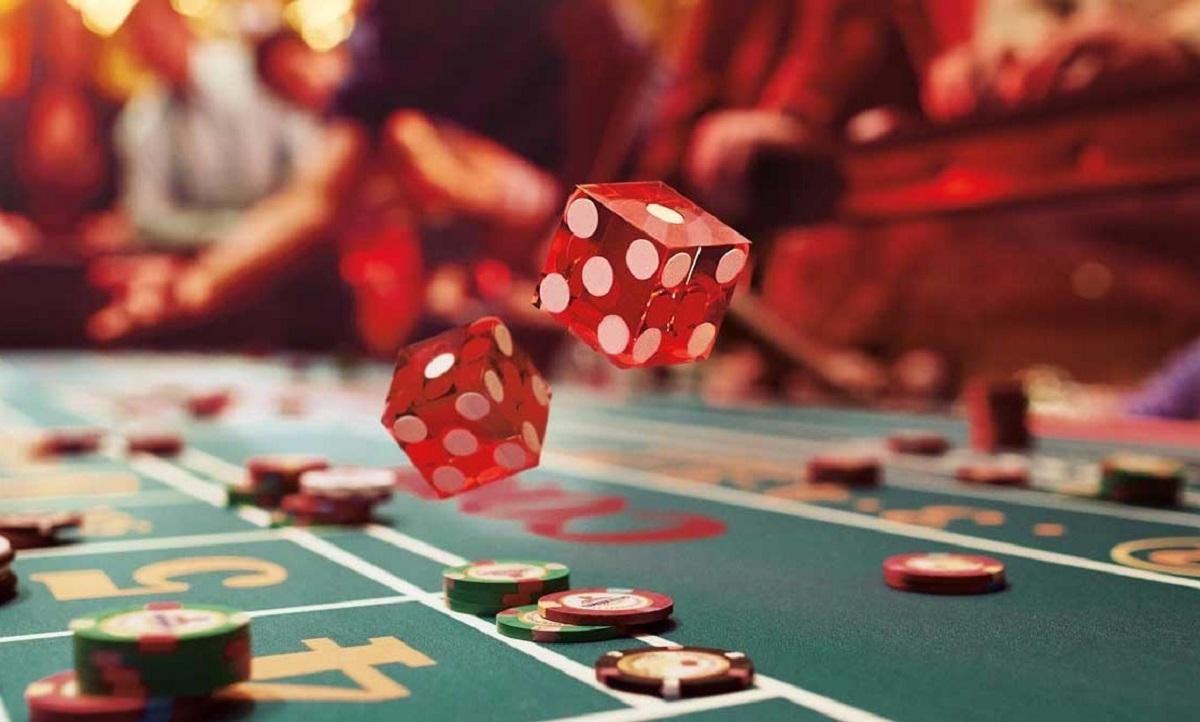
On the other hand, colors such as blue and green are often associated with tranquility and balance. These hues can be effectively used in areas designated for relaxation or social interaction, providing patrons with a necessary break from the high-octane gaming environment. This duality in color usage showcases how the visual elements in casinos can cater to different emotional needs, ultimately benefiting both the player and the establishment. By creating spaces that balance stimulation and relaxation, casinos can ensure that guests feel comfortable and engaged at all times.
Furthermore, the psychological effects of color can also extend to the branding of games and gaming machines. Each machine may feature a specific color scheme designed to attract particular demographics or convey a certain theme. By understanding color psychology, casino designers can create a captivating visual narrative that draws in players and keeps them engaged, leading to increased revenue. The strategic use of color in casino design exemplifies how psychological principles are leveraged to create an inviting and stimulating gambling environment, making it an essential element of overall strategy.
Conclusion and Insights into Casino Design Websites
Understanding the psychology behind casino design is essential for creating spaces that not only attract visitors but also enhance their experiences. From environmental factors like lighting and sound to the strategic placement of games and color choices, each element contributes to a carefully curated gambling atmosphere. This intricate interplay of psychological principles provides insight into how casinos can optimize their layouts to maximize engagement and profitability. The thoughtful integration of these elements creates an environment where players feel both excited and comfortable, fostering a positive gambling experience.
As you explore the world of casino design further, consider visiting specialized websites that delve into the nuances of this fascinating field. These platforms often feature articles, expert insights, and case studies that illuminate the latest trends and innovations in casino architecture and design. By gaining a deeper understanding of these principles, you can appreciate the art and science that goes into crafting these captivating environments. The confluence of design and psychology is a rich area for exploration and learning.
In conclusion, the psychology behind casino design is a multifaceted subject that encompasses a wide range of elements aimed at enhancing the visitor experience. Whether you are a casino enthusiast or a design aficionado, uncovering the layers of this complex field can enrich your understanding and appreciation for the art of creating engaging gambling spaces. The strategic approaches employed in casino design not only enhance functionality but also create a captivating atmosphere that draws players in, providing an enriching experience that keeps them coming back.
